Felicity J Lord Ormside and Before
Essay / 10 November 2026 / By: Emily Morley
Over at Rosie's house in South London, we were drawing on printer paper with felt tips.
It was a few days before Felicity J Lord were set to support Smerz at the Barbican, and we were talking about the name for a single piece of wheat.
We ummed and ahhhhed for a while before settling on “blade”
furious scribbling
ROSIE: "Do you know anywhere where you can get five or seven enormous red inflatable balls?"
I gave her the phone number of a trusted acquaintance.
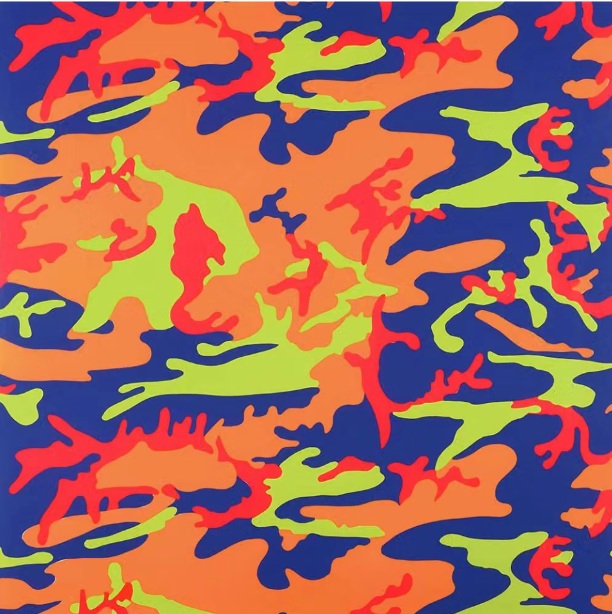
We moved our discussion of the visual aesthetic of “music performance" centre stage we made plans to make a sculpture of a cartoon blade of wheat, a cut-out cartoon with depth, filled with the Andy Warhol Camouflage (F. & S. II.412) in the way that one would use the fill tool in MS Paint, you know: the one that turned the cursor into a paint-can?
The plan for the sculpture ended up being scuppered by the fact we did nothing to make it happen, but the red inflatable balls went ahead. Not being able to make FJL’s opening slot, I actually heard about it second-hand in a conversation that went a little like this:
THEM: “I went to see Smerz at the Barbican the other day”
ME: “Was it good?”
THEM: “Yeah.”
THEM: “Fucking weird band on before though.”
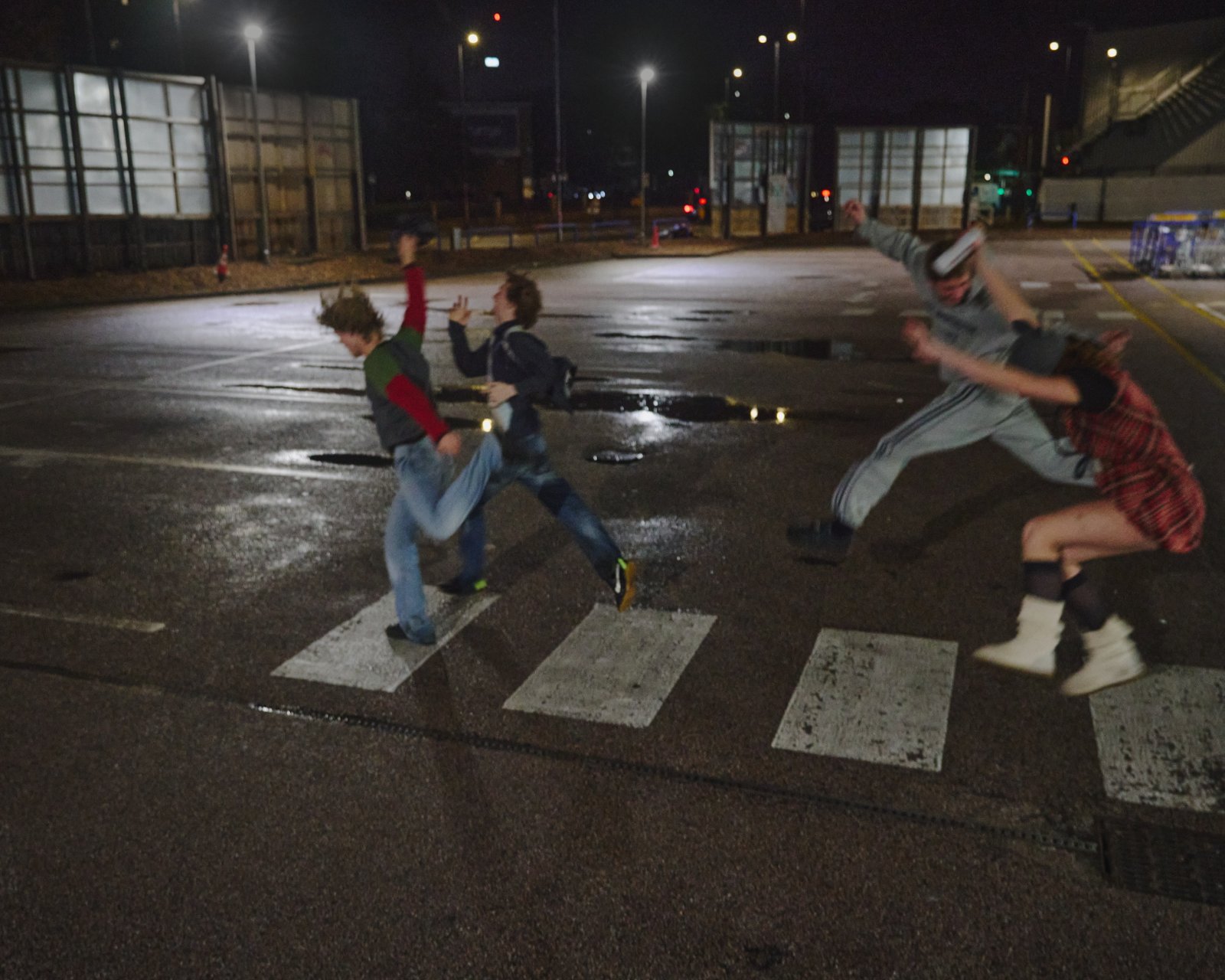
What many Smerz fans heard as fucking weird, is actually a reaction to the last South London milieu, where the chicest sound was one awash with grey post-internet poor-image album cover and shoe-gaze ahh mysterious performances. Adopting their naive, childlike aesthetic, Felicity J Lord stands among other New London Acts that re-emphasise the personality, performance, colour and pop-delight. Hence, drawing on printer paper with red, pink and yellow felt tips. They are outstanding for their naive rhymes about haircuts, ballet lessons and figures of pop culture. Have you ever seen a band make the room cheer by repeating the name ‘Sarah Jessica Parker’ over discordant piano playing? In 4 Billion live Bacteria, FJL have honed in on a quality of their first album and explored it: the interplay between the subject matter of the lyrics: television, fashion and running around the city raving; and the folky, country-y instrumentation: violins, cellos and harmonicas. Shaker undoes the singer-songwriterly-ness with its stuttering singing and illustration of appropriately fried contemporary relationships: ‘Pink white black and blue/I’m sat alone with you, huffing black balloons’.
The uncanny and romantic lyrics that characterise a FJL track reach their heights in the refrain of Nilo: ‘run your fingers through my face’, sung by Joel, building gradually into a chorus of the whole band. Nilo bleeds into the charming ambient Mermaid. Built around a field recording of a conversation with a stranger about what sounds like something on a beach, the short track washes itself away with the noise of a wave, and you can hear the increase in the scope of their production, in contrast to the tiny nowhere digital vacuum of the first album. The catchiest is definitely the first track, Party Dress, with a chorus that the Ormside crowd eagerly shouted back.
‘I wear my party dress in the rain’ x 5
‘Do you ever feel like a fake staircase… in the rave?’
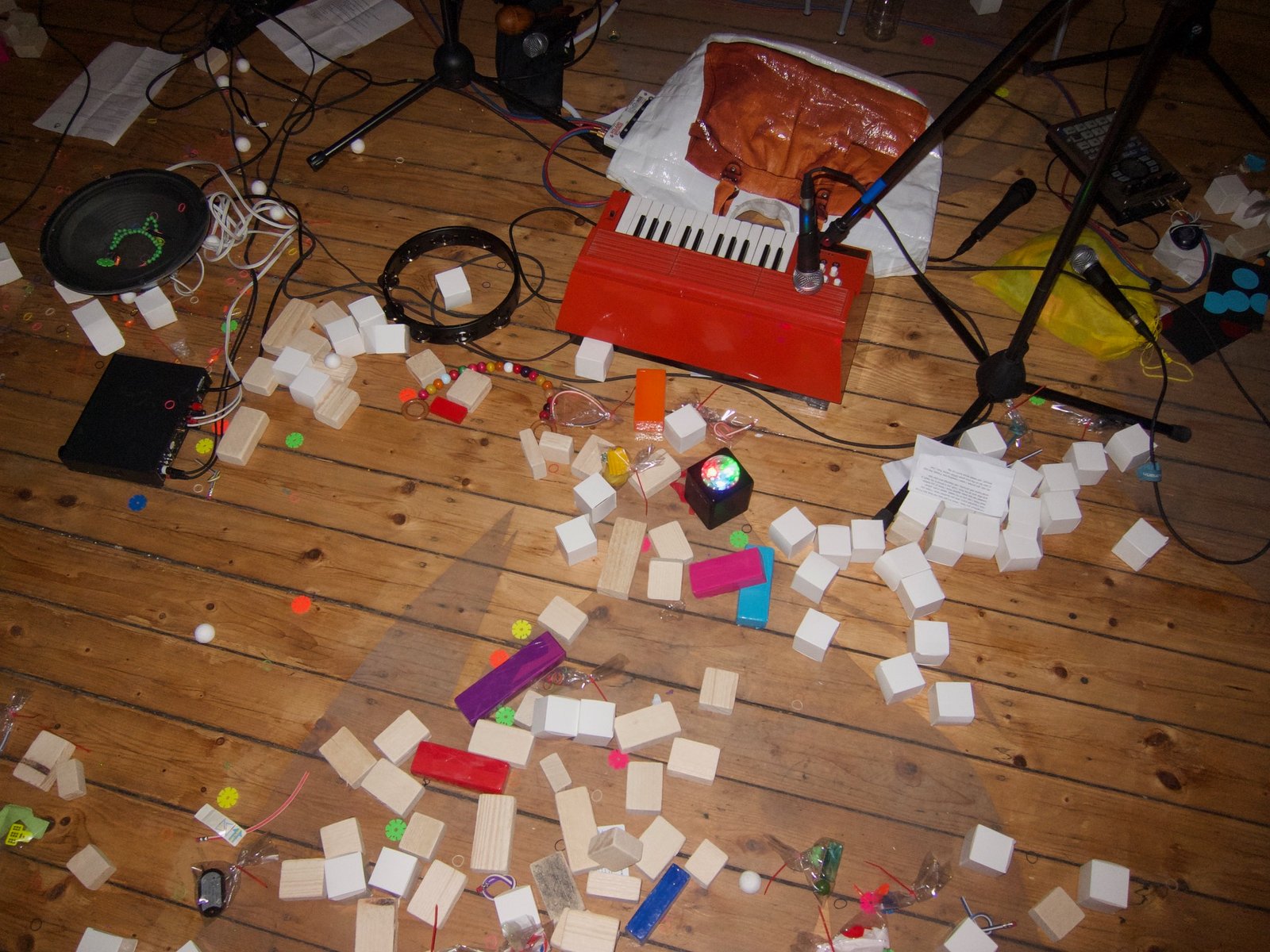
A digression on promotion: since Gen Z, the groomed generation, takes it for granted that a band needs an Instagram page, we often forget to ask the deep philosophical questions. Is it cool to post on the internet as a musician? Hipster Truthers would say no, but their replicant model is being phased out of the culture anyway. Audio to visual is like smell to taste, and the problems of having a ‘look’ are nothing new. The market is just a framework, and you can entertain it, communicate with its magic as much as you’d like. Asked by Interview whether it’s more embarrassing to try or to pretend not to try, the Femcels said, ‘Probably trying to try. ’On this note, there is such a horrible pressure in art/music writing to 'launch', there is a horrible underlying impulse to set the boundaries around a band as a commodity. When it comes to understanding the status of the band as an object outside of the individual artist, their stage is not the band. Rather, bands are rooms. In the bandcamp notes to their first album, they appropriately describe their project as “Felicity J Lord is a band, a word which usually means a group of musicians (which is also true) but here means a group of misfits, internet lurkers, poets, polka-dotted ballerinas, CEOs, time travellers, and forever-kids.” To bring these arguments together aesthetically with no conclusion: on the FJL Instagram story, they said goodbye to Ben's room in Berlin, where they had recorded much music. In a fashion typical of their remote aesthetic, it was a heartfelt message on a picture of a white-painted wall.
Felicity J Lord’s new album moves away from their first, 2025’s FJL- a bumper record whose re-appropriative aesthetics, echoing vocals from Joel, and large number of short tracks invited more than a few comparisons to Hype Williams. The fact that I point out this resemblance says less about the band than about the internet’s gaze, whose algorithmic categorising and classifying influences their perception and in some cases, their performance.
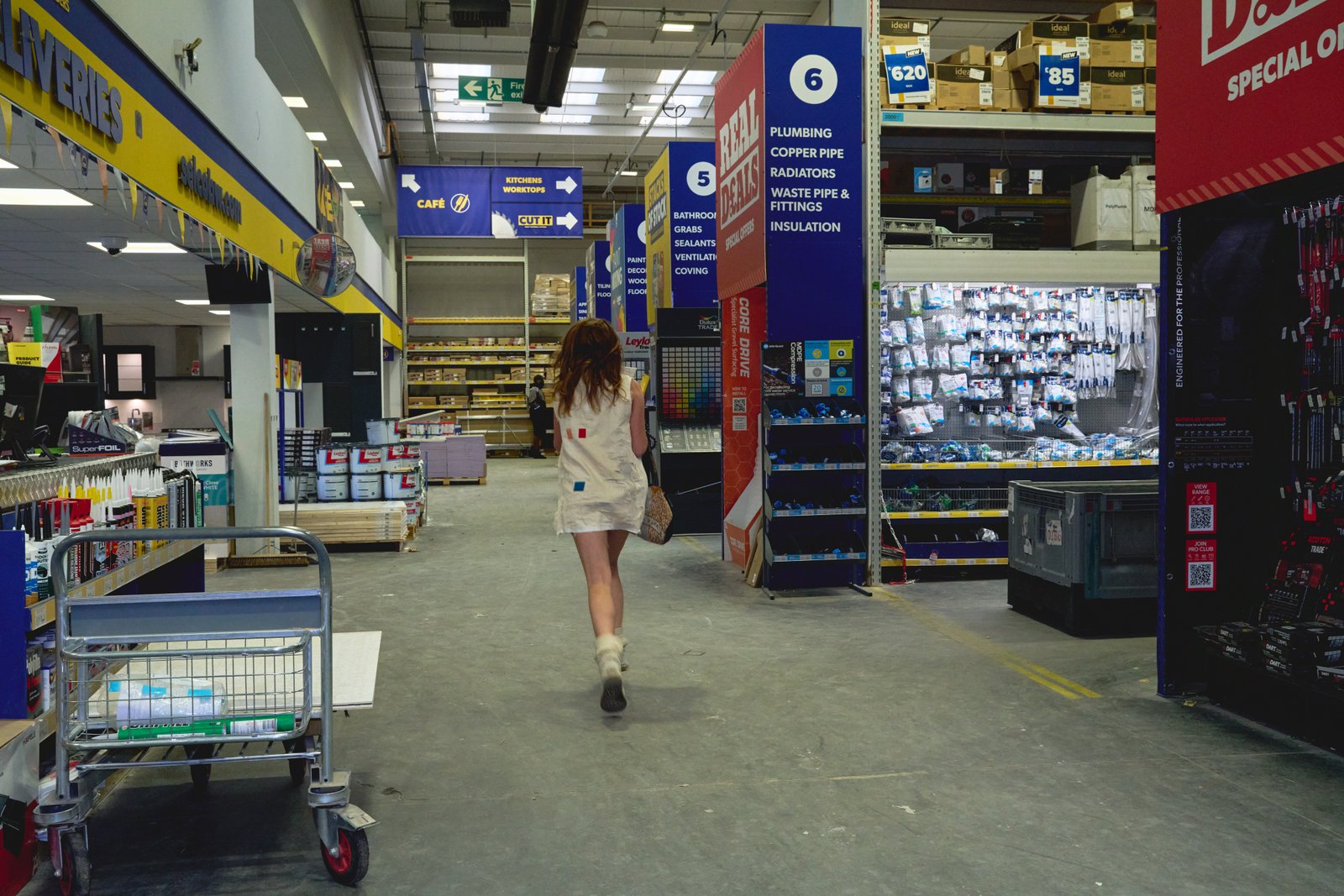
Performing at Ormside, Rosie and Joel, as the main vocalists, keep it delightful; they smile and shout, Joel often adopting a fixed pose where his arm is bent into a triangle as he shouts into the microphone. Halfway through, they shouted out and asked whether anyone had any AA batteries to power one of their instruments. Someone did. Many cheers. It felt like the assembled taste-heads were in agreement (and one of the assembled taste-heads had been a musician in Cologne in the ages ago special time, so you know he was right). The verdict: FJL’s new album 4 Billion is fun and cool- their shows are even better.
George Pringle was the opener. A spoken-word electronic musician with an especially incredibly chic track and music video ‘carte postale’, a fantastic example of the 2000s does 60s. Such is the nature of spoken-word poets; she has innumerable songs that she pronounces in her throwback London RP accent: stories of feminine alienation, the archetypes of the frazzled English woman. Pringle posted a shocking archaeological throwback- she was the cover of The Guardian weekend magazine. Mainstream print media covering London avant-garde musicians with small and dedicated followings? It wasn’t that long ago; perhaps it will come back… Following the calls to stop cortisol spikes, a parallel world will have to re-emerge for us all to enjoy culture without frying our brains and shredding our nerves so much.
If you ever wanted to say something true, you’d say that things are inside other things. For instance, what ties together quite a few of the current acts is that they share DNA with this tradition of London spoken-word electronica. The first poem to be read over electronic sound was in 1965 at the Maida Vale BBC Radiophonic workshop, where poet Rosemary Tonks read aloud her poem Bedouin of the London Evening over Delia Derbyshire’s warbling electronic literally never-heard-before sounds. Women in Music Moment. This sound is so important; they’ve kept it safe in the British Library for 60 years. The rare books and music section computers remain the only place you can hear it. I took a voice note recording of the sound through the library headphones. I deleted it; it felt like stealing.