Martina Cox, Fashion Is Art - Exhibition Review
Essay / 26 May 2026 / By: Martina Cox
Fashion is Alec Monopoly is Art
"Costume Art" is on view through January 10th, 2027.
Read her review of the Met Gala here, where she outlines that...
"I will review the costume institute show at face value, they got blood money and from what I can tell they used it to buy and display the best."
N.B.

—
On the second monday in may, I trekked to the upper east side, home to the most fabulous of art hoes of yesteryear (old angry wealthy ladies with puffy lips, hair teased high, and the tiniest frames being engulfed in Miyake’s Pleats Please) to the Metropolitan Museum of Art, whose facade and grand steps just a week before had been transformed into the backdrop that makes up the internet-drenched playground that has morphed into the celebrity/corporate-ego-orgy known as the Met Gala. As it has done since 1947 (although once a humble affair), the 2026 gala (spectacle) was held to celebrate (ego-gorge) the opening of the Met Costume Institute’s May exhibition Costume Art: ‘fashion is art’.
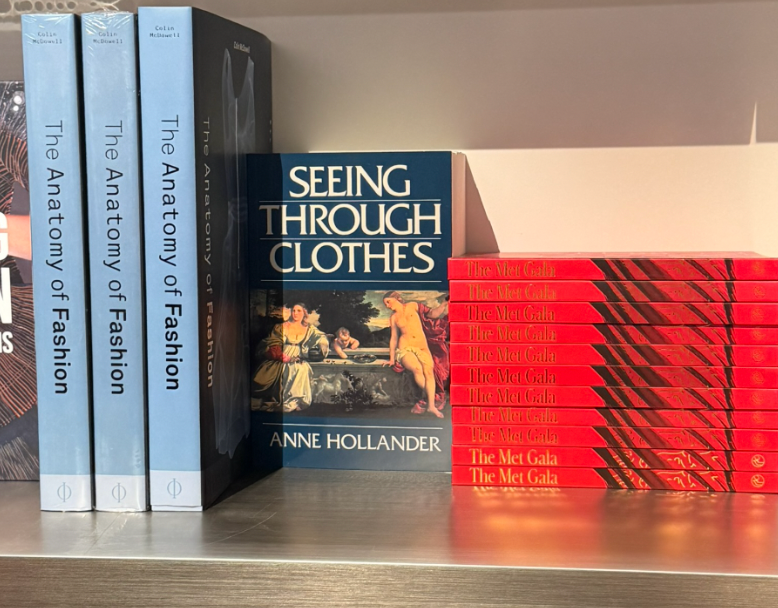
So let’s get into it… First and foremost highlighting the importance of the discussion that is Costuming Art. It has formed the crux of many artists' practices and works over the decades, myself included. First grounded officially in language with Anne Hollander’s Seeing Through Clothes aka a Fashion History 101 textbook and also my own personal bible: my copy a tattered, dog-eared-to-oblivion old thing, replete with highlights and embarrassing notes left in the margins by a girl in her early 20’s. I was pleased and surprised to see it in the giftshop, here she is in all her glory:
For the first time ever, the show pulled from the museums’ 15 other departments, juxtaposing works dating back as far as 5000 BCE, using said works to prop up (metaphorically, the overworked conservators would never!) the clothing displayed, instead of the usual other way around.
I must admit, despite the promise of a face-value review, I was still donning my hater cap, a grey felted beret with oversized deco hat pin, upon my arrival. The show was oversized with goods — a gluttenous display of pockets so deep, you had not 1 or 2 but EIGHT examples of tattooed garments. I could not shake the knowledge that the Costume Institute had blood money, which they so fittingly used in the display of a whole section of blood-related garb entitled the ‘Vital Body,’ (love…) from the second richest man in the world, Jeff Bezos along with his wife Laura Sanchez Bezos, to make the exhibition possible with a donation of ten million dollars to the institute. This amount is the Bezos-equivalent of finding change in your pocket, just saying! Anyways, I guess it is a discussion we can’t count on fashion to fix– but I think if we are trying to make a show that hoists fashion out of the realm of the superficial – the exhibition establishing itself alongside a new wing of the met — it's a pretty damning start.
In case you have not had the privilege of diving into this nerdy ass textbook from the 70s, upon entering the main gallery, there is an automated speaker a la robotic voice overhead, announcing “PLEASE STEP AWAY FROM THE ART,” anytime a viewer got to close to something… which was every goddamn five seconds because it's so crowded in that place. So yes, Fashion is Art, and security agrees. Speaking of surveillance, the mannequins are 1984 chic; something about their presentation-height combined with the chopped off profiles replaced with mirrors, that gives you the eerie sense you are actually the one on display, and those mirrors are, in fact, two way (or two-faced?). What was the conceptual decision for these over-the-top mirror faces? A physical manifestation of the way we project our own societal ideals and ideas onto dress and the dressed body? Sure, but there are pages and pages of pretentious placard text throughout the exhibition that really hammers this idea into your skull for you. It felt gimmicky… and creepy within the framework of amazon money.
Sidenote– drinking game idea: go through the exhibit with your friends: take a shot every time you see the words: liminal, allegorical, abstraction, allegorical abstraction, transcultural, temporal, dialectic, transcend, externalize… leave obliterated. I mean, I loved the text sometimes, but it was a bit much– not to mention even my seasoned in fashion-theory-reading brain had a hard time consuming the word salads with a robot yelling in one ear while simultaneously bopping and weaving between the very thick crowd, this type of culture ingesting is not for the faint of heart (or potentially for the sober).
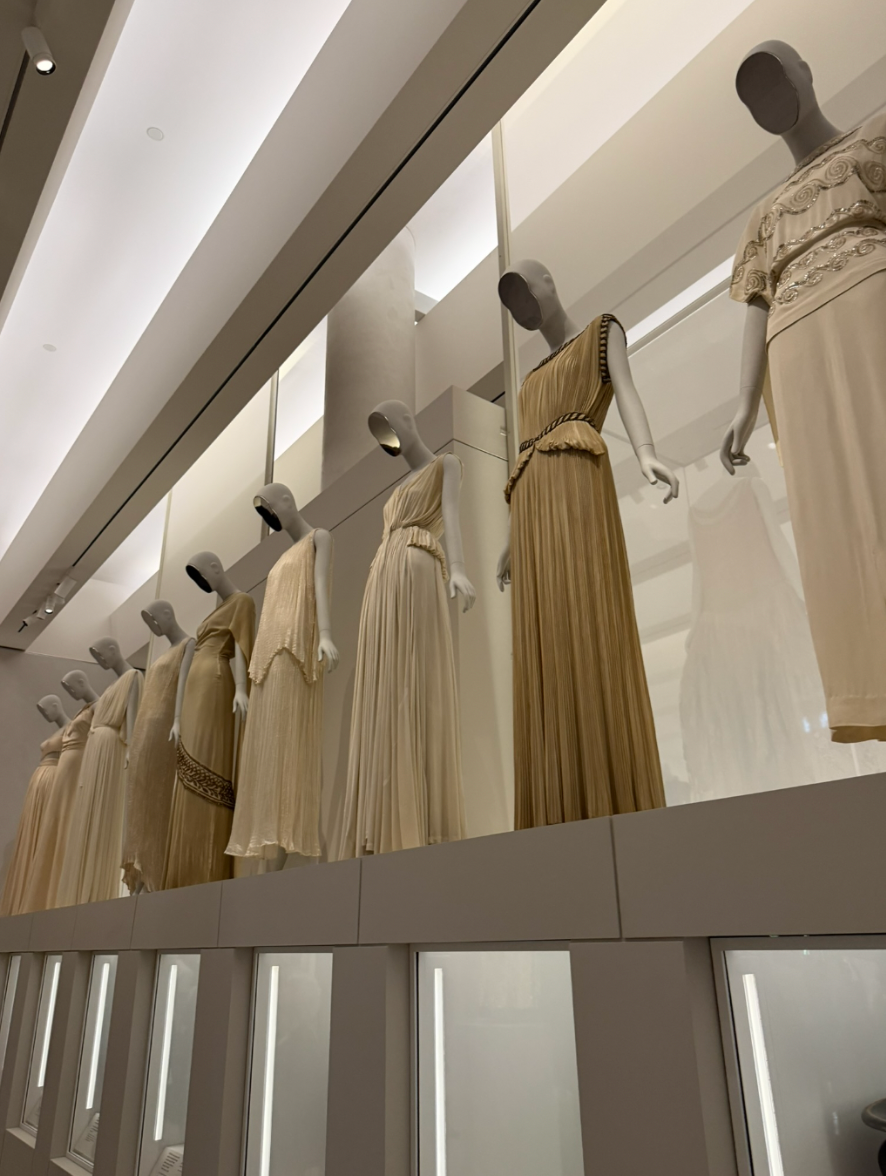
Vionnet, Adrian and Madame Gres-clad surveillance systems watching down on you plebs!!!!!
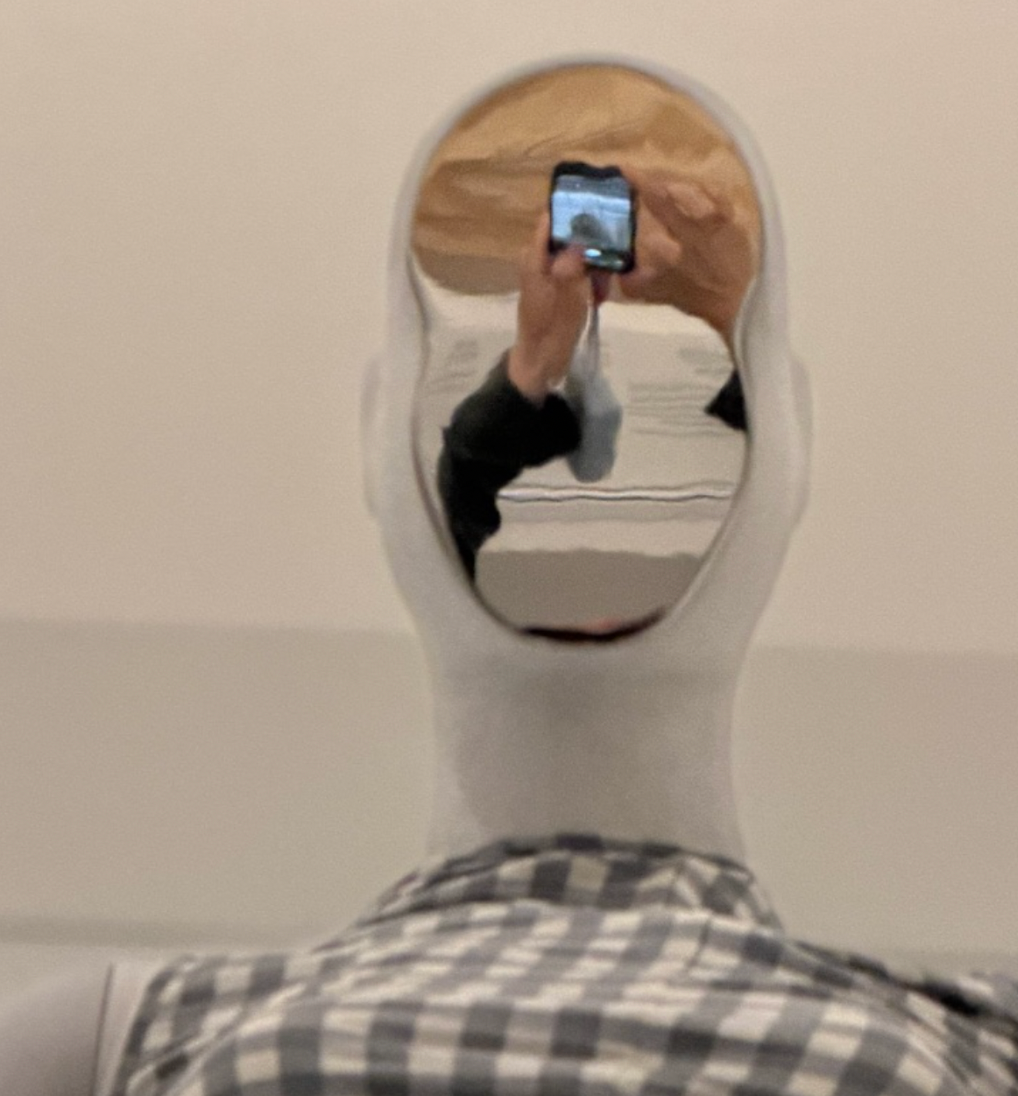
Ok ok I can continue to nitpick.. Or, I can show you my favorite parts. I adore and learn so much from looking at fashion through the context of art history; I was a child, and the proverbial candy in the store was archive Vionnet, Madame Gres, 19th century undergarment structures, Archival Mugler, Iranian Iron-age sculpture, a whole section dedicated to the Grecian Stance, 15th century italian temperas, 18th century anatomical drawings, Albrecht Durer, old school Yves Saint Laurant, Miyake, a TON of Undercover, Victorian Mourning mementos, Mcqueen, 4th century BCE Etruscan Armor, and a lot of each. The pockets were DEEP and the show was massive. Please regard some of my own personal highlights- details that made full use of the limitless possibilities Andrew Bolton had to work with; So, I cordially present…. moments that had me forgetting that I was a hater:
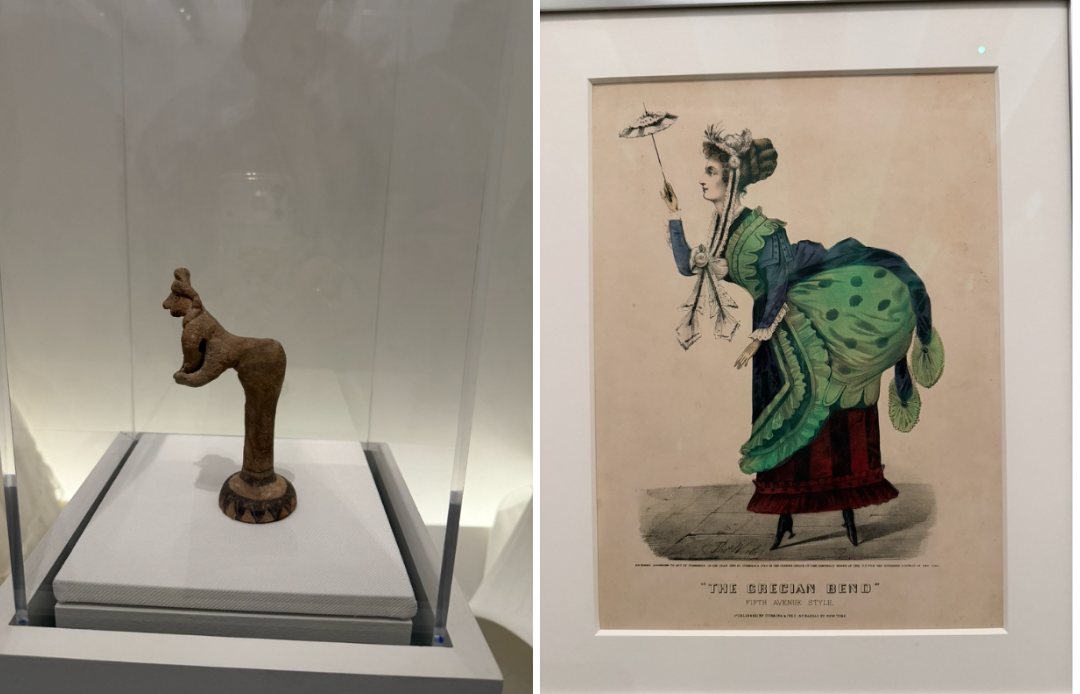
Female figurine kneading dough(?)
Cypriot
ca. 600–480 BCE
The section on the Grecian Bend, a by-product of the freaky late 19th century. The lithograph is fabulously juxtaposed with a grecian sculpture from ~500 BCE. There is an entire section on the grecian bend and bodily apparatuses that helped women achieve the booty-as-shelf aesthetic synonymous with this fashion period, hotness is fashion is circular!
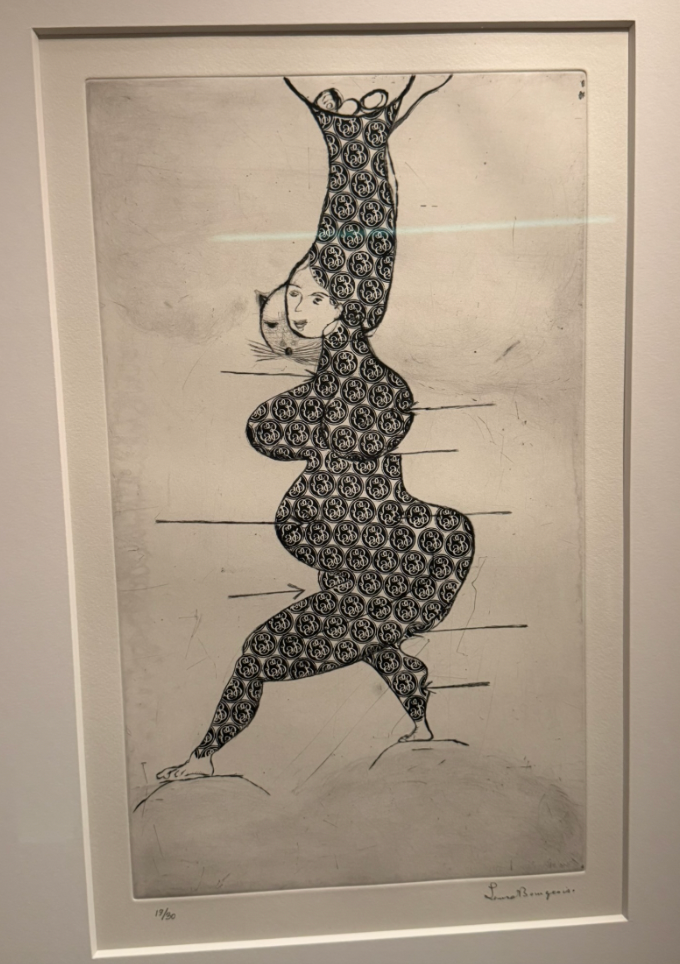
This Louise Bourgois Drawing paired with a Marine Serre body suit, I don’t think Louise would have liked Marine Serre Body suits very much… but I do think they were starting to scratch at something here.
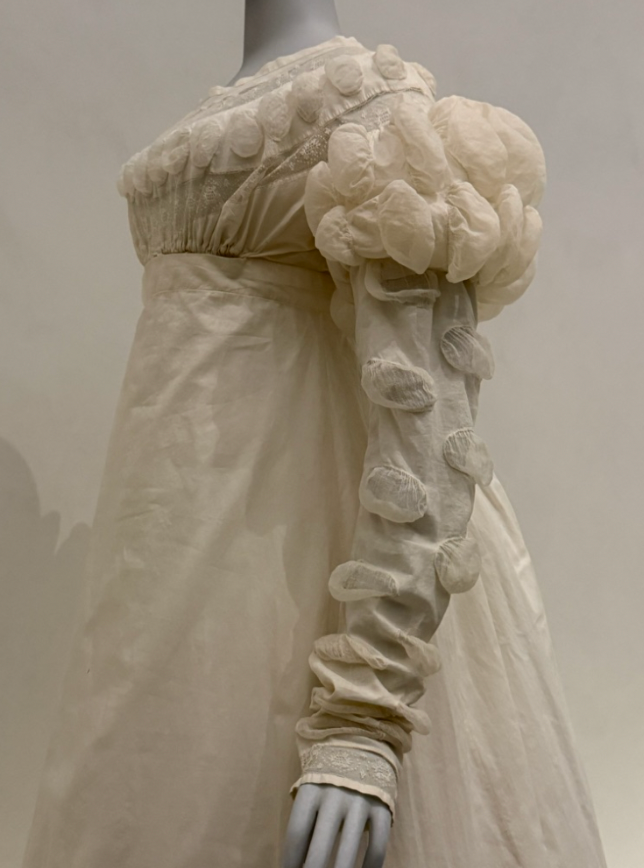
This ultra special boil-chic cotton muslin number from the early 19th century, god bless you all for letting this 1981 acquisition see the light of day!!!
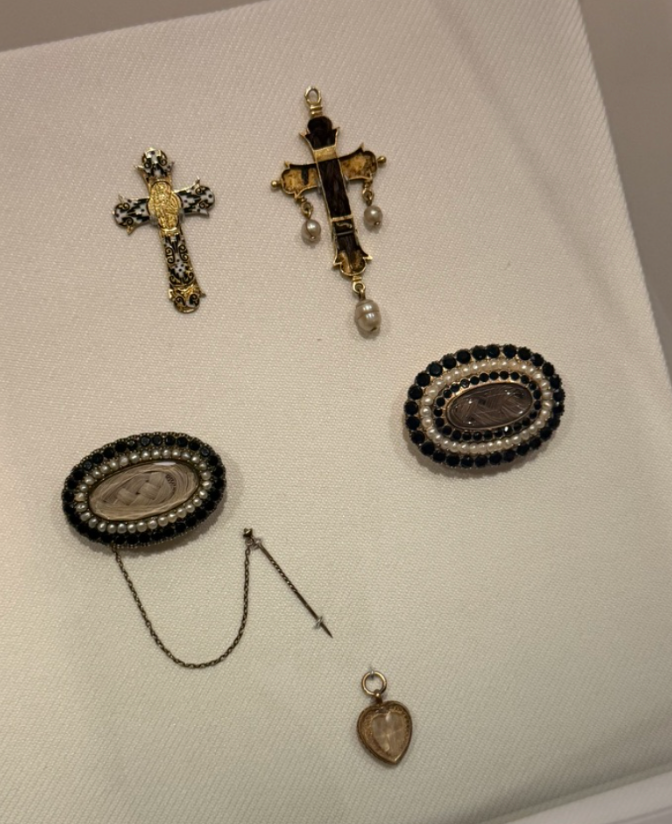
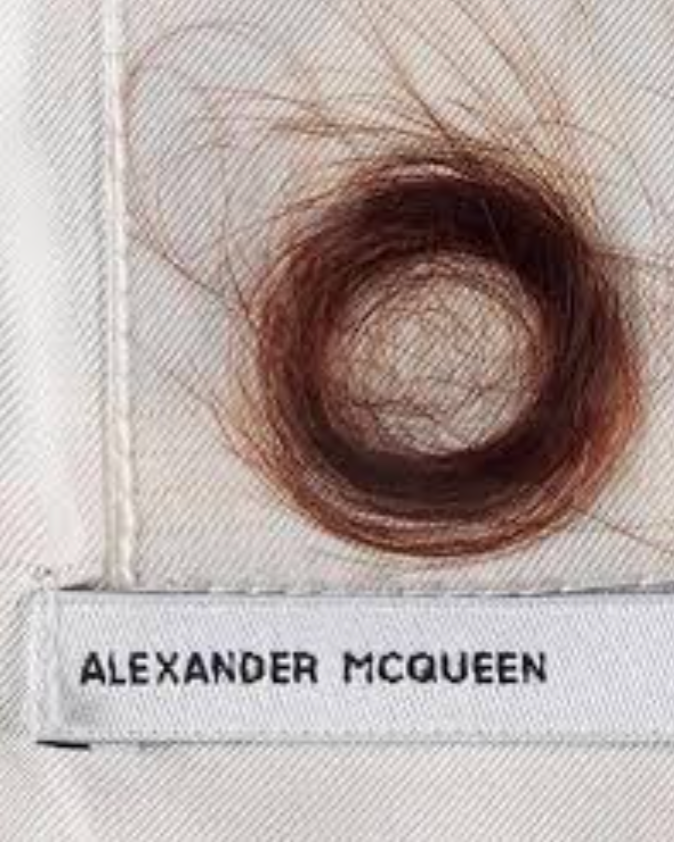
Victorian hair mementos; Victorians were true freaks (Valerie Steele writes extensively on their horny weird freak-ness if you are interested), and one of many death-obsessed rituals that came out of this weird time/place are hair mementos. Missed opportunity to incorporate the Mcqueen line from the 90s where Lee incorporated locks of his own hair into the garments, BUT I love any opportunity to see these high drama mementos in real life.
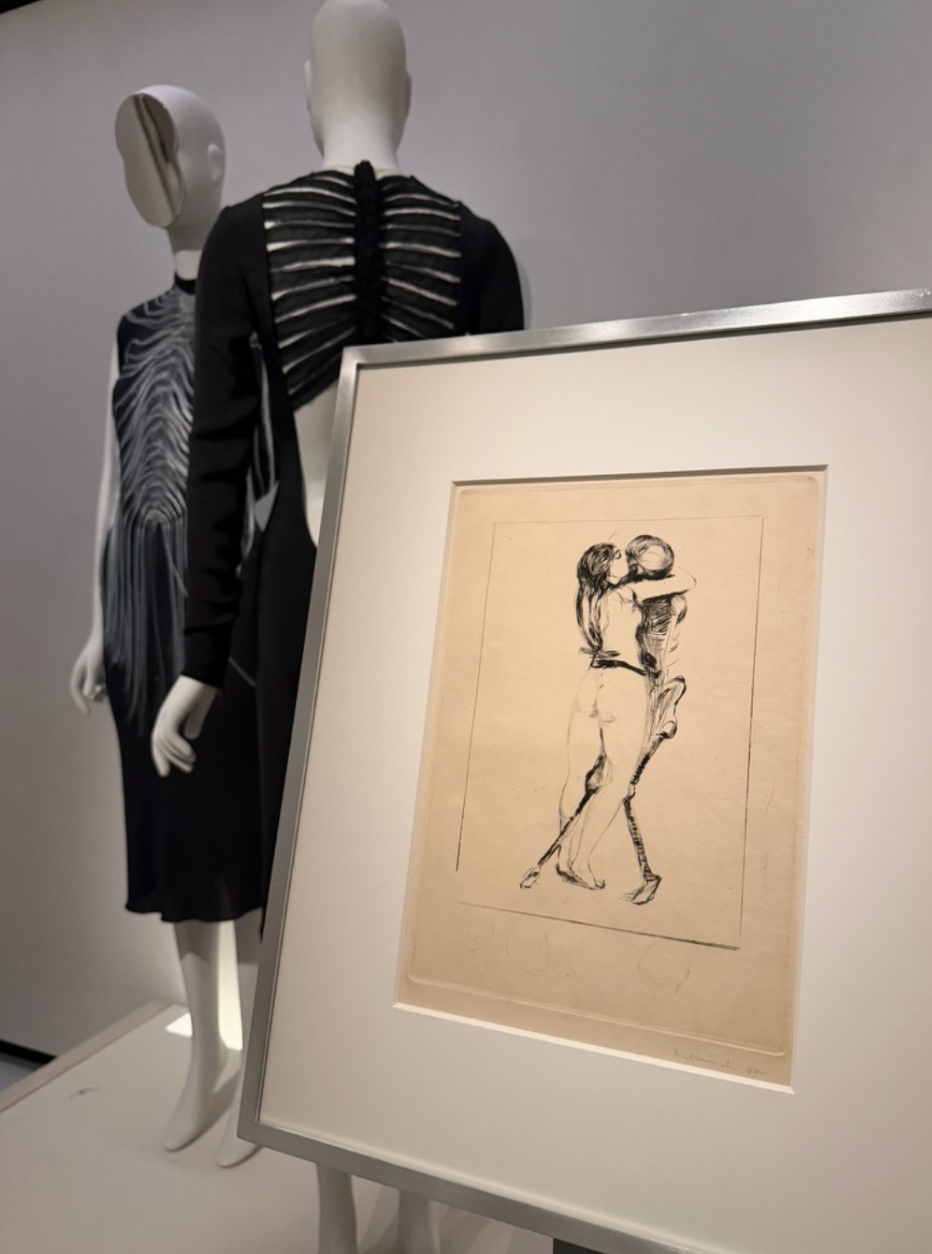
Pairing Munch with fashion… I think Evard would have LOVED the Dress and Psychoanalysis show at the Museum at Fit last year, but I think knowing his work was propping up the fashion lords in the skull section at the Met Fashion exhibit would have the expressionist absolutely furious!!! Which I find charming.
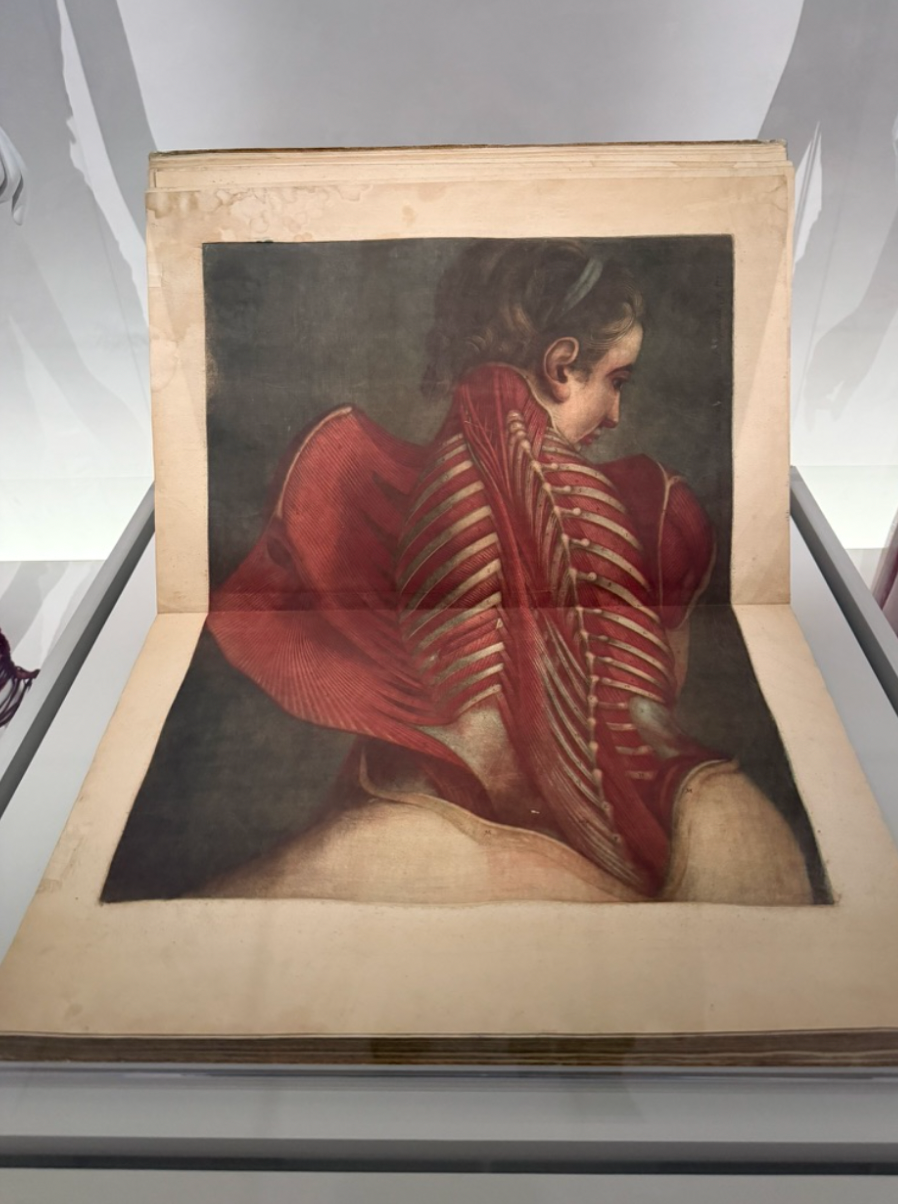
Jacques Fabien Gautier Dagoty (French, 1716-1785)
Plate, from Joseph Guichard Duverney's Myologie Complette en Couleur et
Grandeur Naturelle, 1746
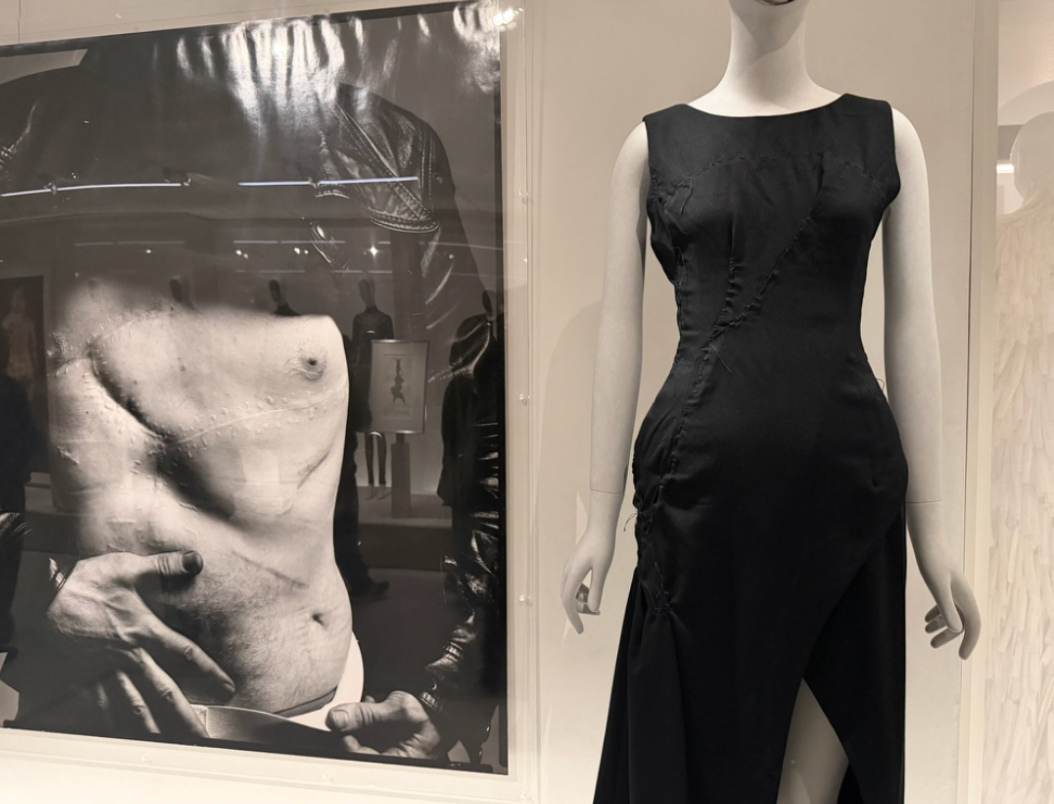
Andy Warhol's torso shot by Irving Penn juxtaposed with a dress by NY contemporary Susan Ciancolo. The scars from surgical sutures mimicking the hand-basted work done by the seasoned artist/designer was highbrow new york.
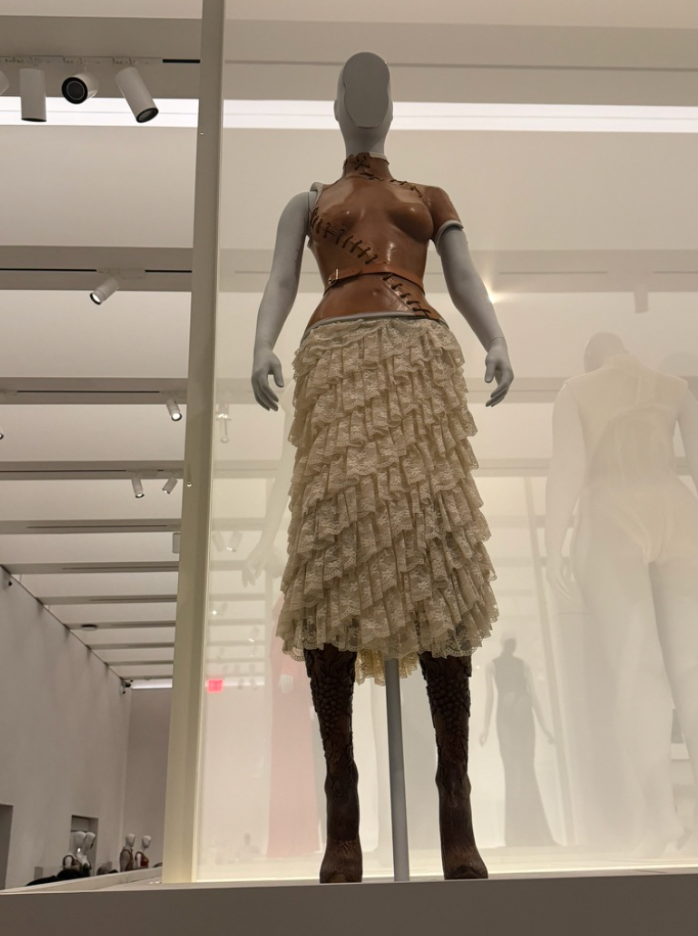
Wooden carved prosthetic limbs by Alexander Mcqueen
There were lots of beauties not making it into this image carousel- custom Michaela Stark, a plethora of contemporary designers, mannequins displaying underrepresented bodies in fashion, a section on the corpulent body educating one on fat theory- all great things saturating the internet if it's sparking your interest.
The Chopping Block
Ok time to put my hater hat (black cloche adorned with rooster feathers) back on, for just a couple things that I need to get off my Kamali-Clad chest.
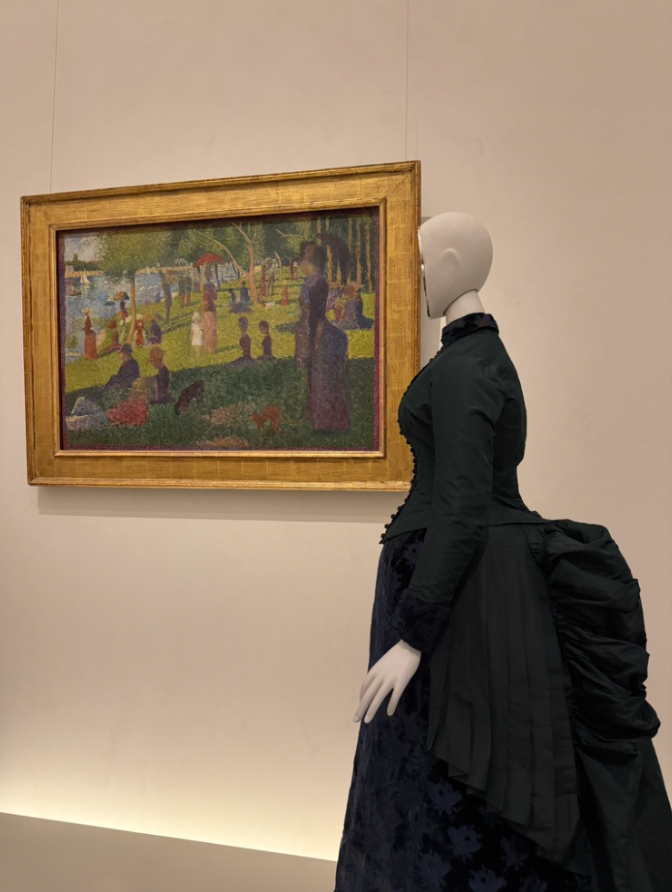

Starting with the most literal chopped, how can you show a silhouette like this with a profile like that?? It was so close to being so good. The lack of a profile/face from this victorian dame is in an attention-argument with the shelf-like derriere synonymous with 19th-century dress and a focus point of the Seurat work. In my humble opinion, NOTHING should be distracting from the majestic booty-popping of the bustle.
I also wanted to share an interesting parallel of this display from a mere month ago at the Museum at FIT Art X Fashion show:
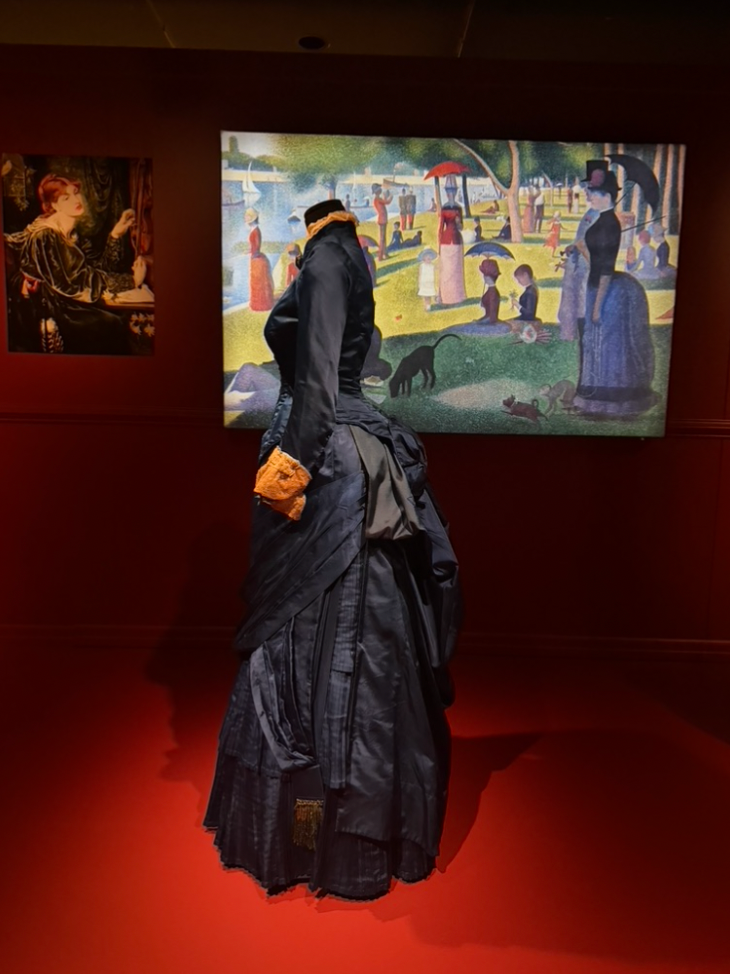
Although I do think the victorian dress the Met chose to parallel the painting was much more successful than the Museum at FIT’s, I am most likely hating on the Met’s display because, as my work was curated into the FIT’s show, I am biased and potentially jealous that the Met got a real study from Seurat, and we got an LED display. Alas.
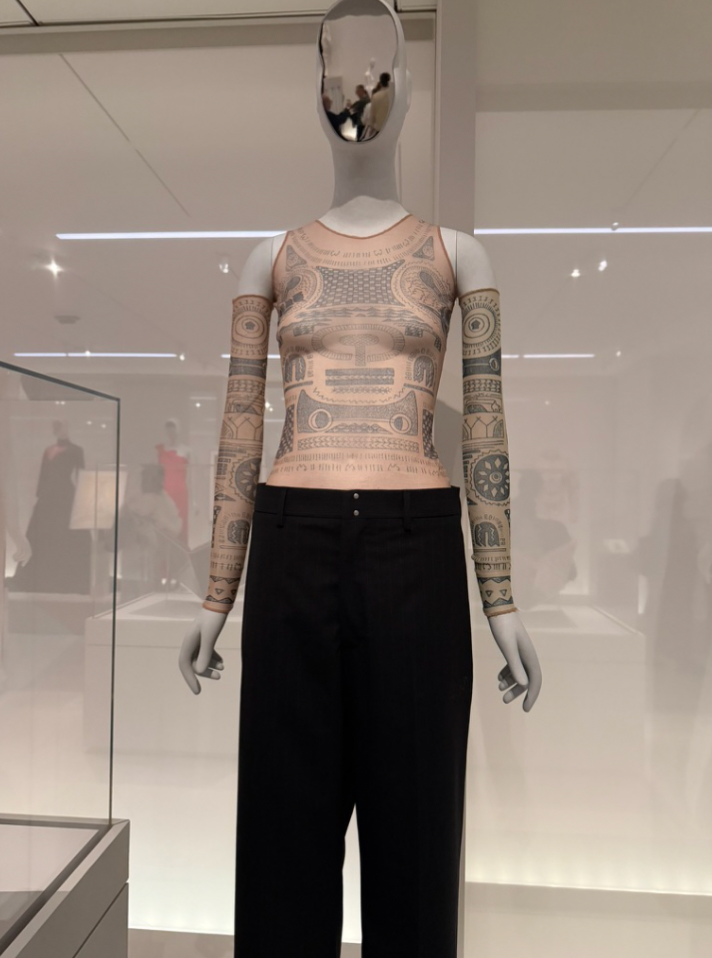
This iconic Margiela tattoo top from 1989 had the CI using the term “liminal space” (drink) to describe the area of skin between arms and shoulders.
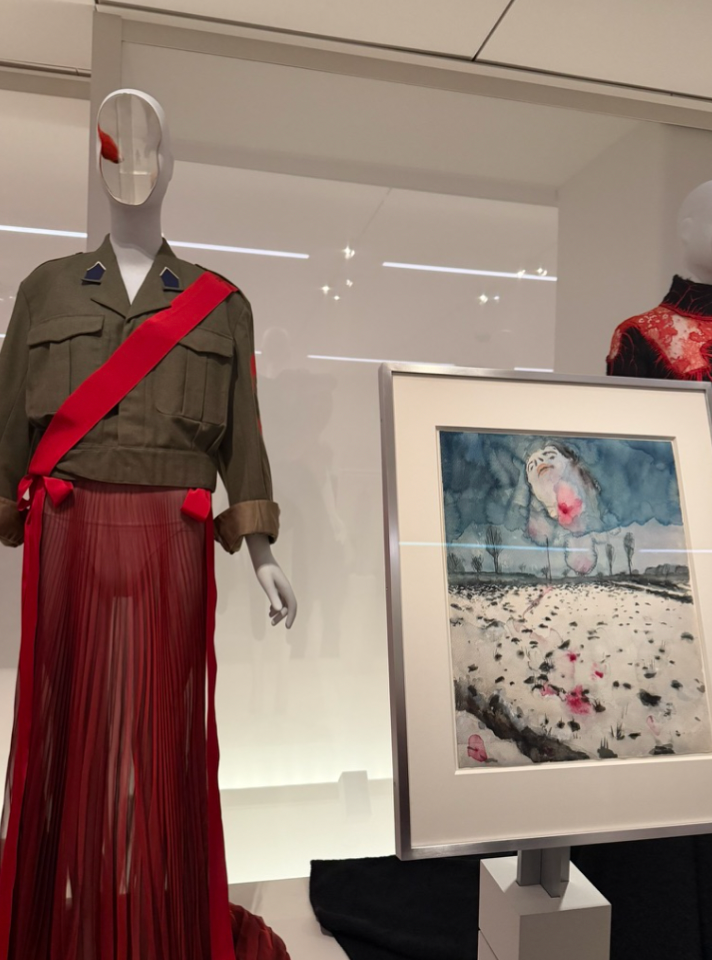
Nobody asked them to show Anselm Kiefer paired with Joseph Thimister’s collection addressing the lasting effects of WWI on modern society. You really want to go there? With a current war raging and genocide we are witnessing real time through our phones? To include this, almost as an afterthought, as an element/way to look at the mirror that fashion holds up to society, rips whatever it was you were trying to do right back down, in super-sonic speed, to the superficial realm. Maybe this mannequin's face was chopped after falling flat on it.
Typo alert– Quote from placard on this dark pairing: The disembodied female head emerging from the permafrost suggests a chthonic haunting, recasting the land as a vessel for historical indictment. Yikes.
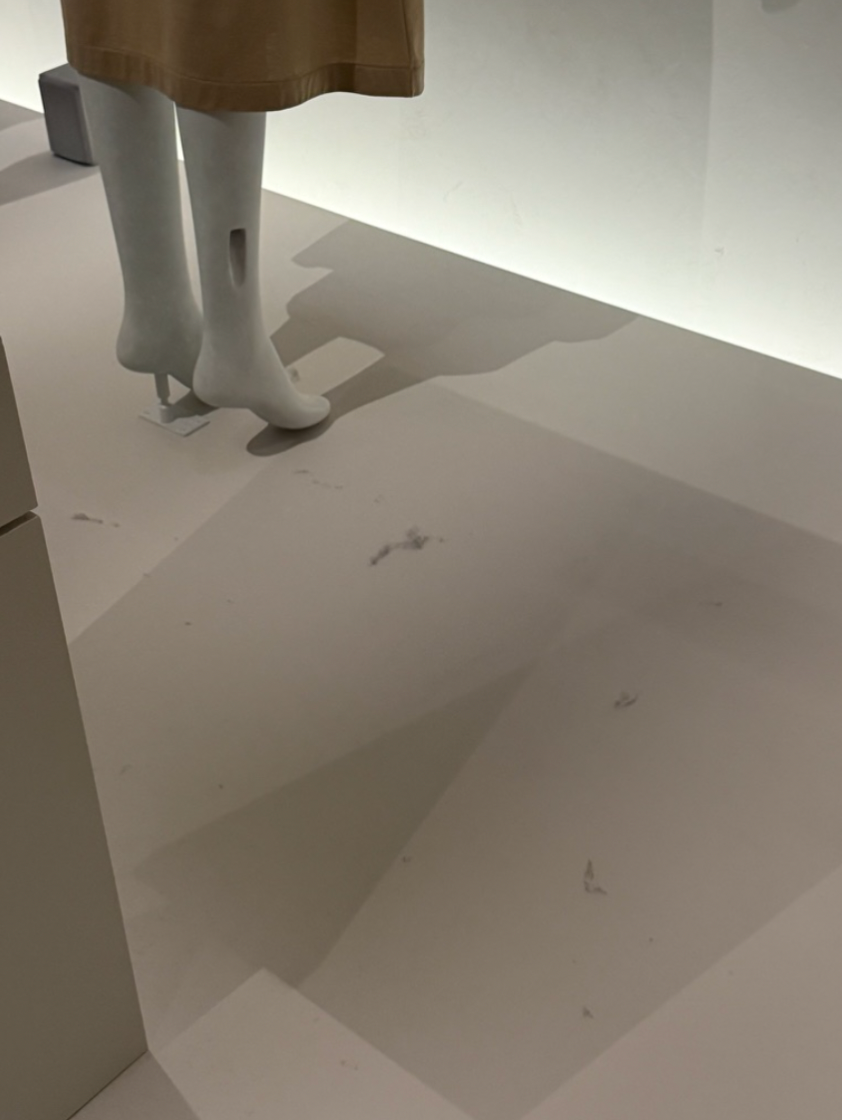
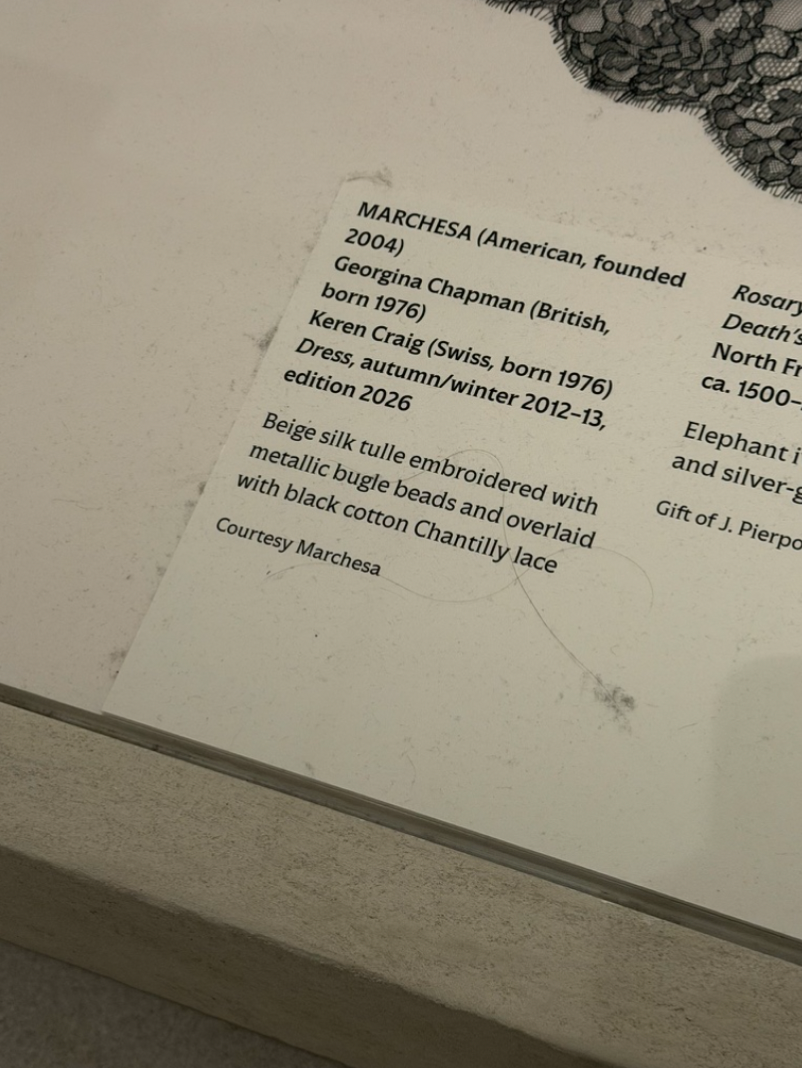
The copious amounts of dust everywhere… The Costume Institute accomplishing dusty in every sense of the word
The Skims Section
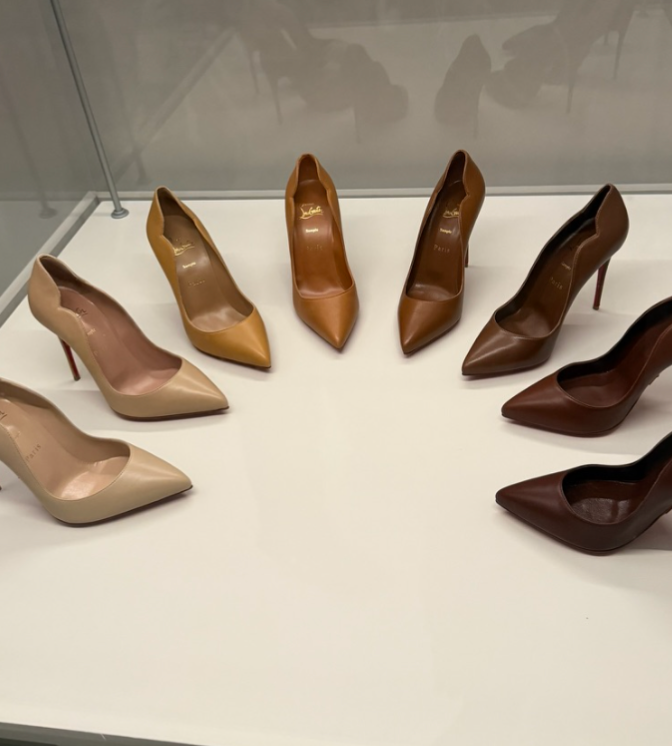
The last room the exhibition ended on was the “Epidermal Body” aka the skims room. This room looked at fashion recontextualizing what the term or color “nude” represents- shifting away from a singular (and white) definition mainstream fashion has adopted for hundreds of years, to one that takes on the multifaceted meaning that it should, seen here for example with Louboutin's “Nude collection.” Also featured were different nude colorways of Telfar Bags. I thought it was extremely interesting to not include Skims, the entire room looking like it had been plucked from the brands’ instagram. I think the Skims brand holds enough cultural relevance in terms of what a contemporary interpretation of undergarmenting looks, the history of “second skin” being one that dates thousands of years, and Skims being the most prominent reflection of how we as a western society approach our once-unmentionables. Certainly not a tragic oversight, just an interesting one is all.
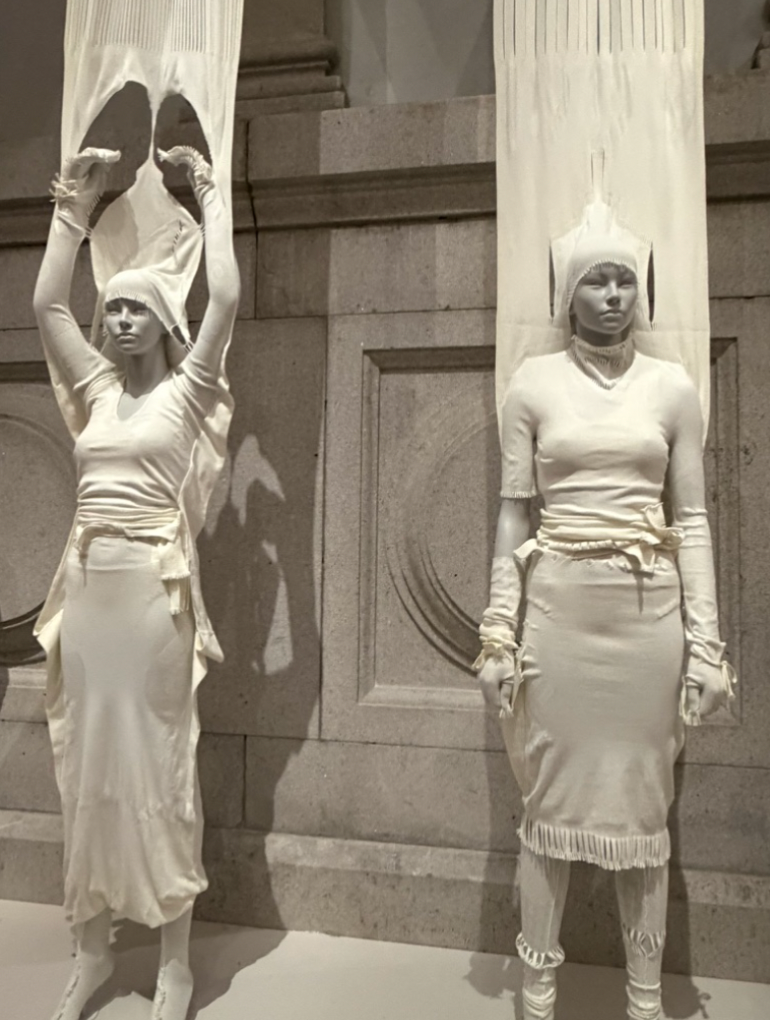
But, I will say, with the “Epidermal Body” room, they did end on a beautiful installation of Miyake’s brand, APOC (or A Piece Of Cloth), and this mid-17th century sketch, so it I was immediately distracted by said shiny object before being ejected back into the museum lobby.
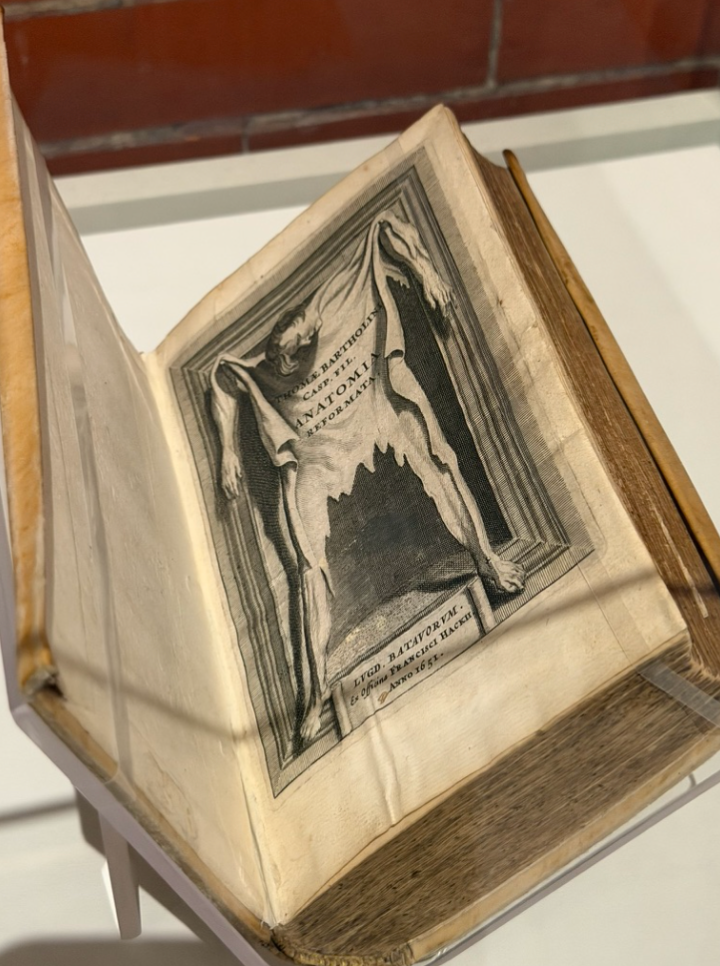
Author Caspar Berthelsen Bartholin Danish
Editor Thomas Bartholin Danish
1651